
Preparing for Safety Weekend At BYC
A Practical Guide Based on Transport Canada’s Safe Boating Guide
If you’re getting ready for a safety inspection at Burrard Yacht Club (BYC), think of it as more than a compliance exercise — it’s a chance to ensure your boat, your crew, and your guests are genuinely prepared for a safe season on the water.
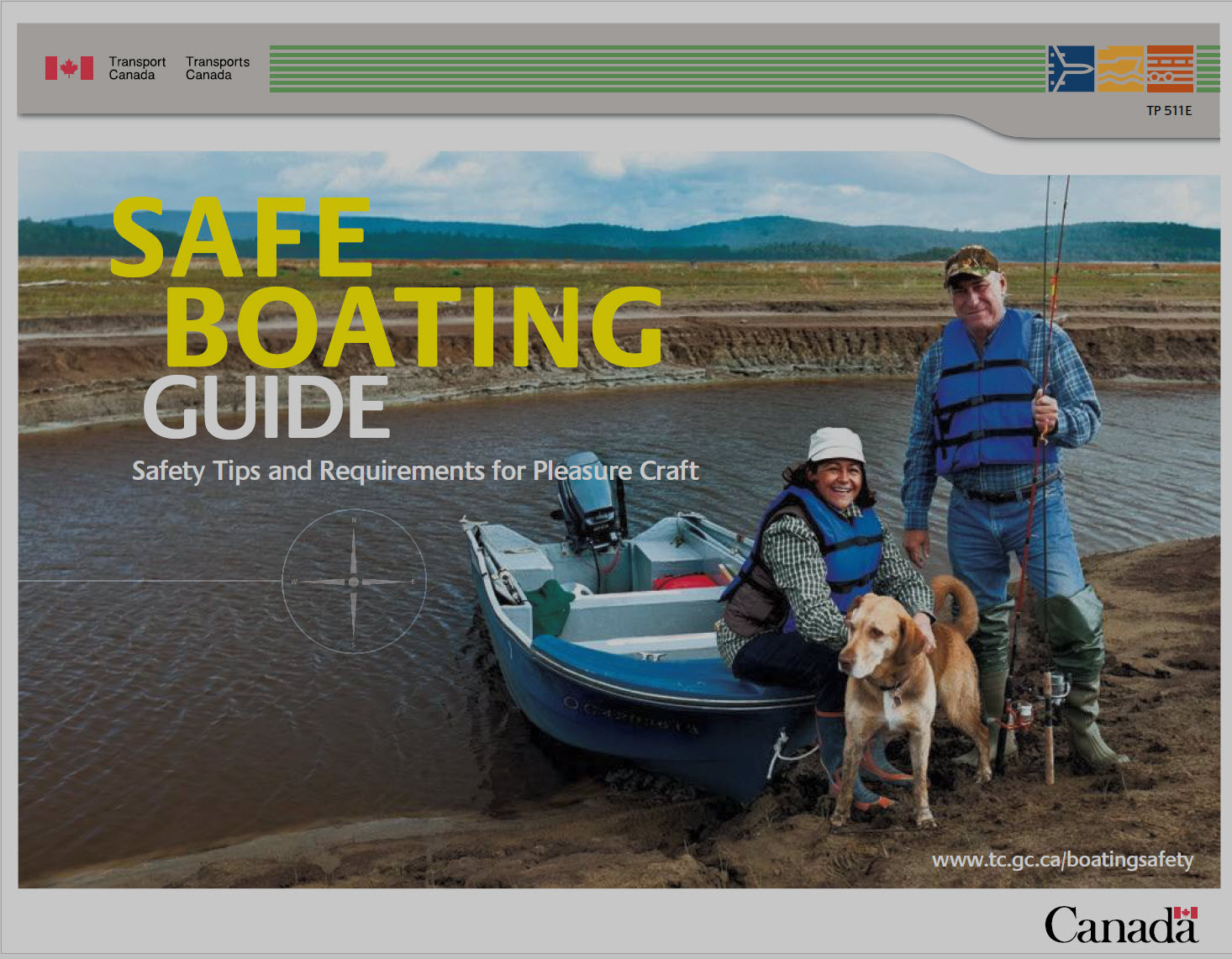
Transport Canada’s Safe Boating Guide (TP 511E) outlines the minimum safety standards for pleasure craft in Canada. Below is a practical, BYC-friendly checklist inspired by that guide to help you confidently pass your safety check — and boat with peace of mind.
1: Start with the Basics: Documentation
Before inspectors look at equipment, make sure your paperwork is in order.
According to the Safe Boating Guide, operators of motorized pleasure craft must carry:
- Proof of competency (Pleasure Craft Operator Card or equivalent)
- Personal identification
- Pleasure craft licence (if powered by 10 hp / 7.5 kW or more)
✔ Make sure your licence number is properly displayed on both sides of the bow, above the waterline, in block letters at least 7.5 cm (3”) high.
2. Lifejackets & PFDs: The First Thing They’ll Check
Transport Canada emphasizes that about 90% of boating-related drownings involve people not wearing a lifejacket.
You must have:
- One Canadian-approved lifejacket or PFD per person on board
- Proper sizing for adults and children
- Good condition (no rips, broken buckles, or compressed foam)
Check the label to confirm approval by:
- Transport Canada
- Canadian Coast Guard
- Fisheries and Oceans Canada
🔎 BYC Tip: Have them easily accessible — not buried under cockpit cushions or in a locked cabin.
3. Required Safety Equipment (By Boat Size)
Most BYC members operate sail or powerboats between 6m and 12m. The Safe Boating Guide outlines minimum required equipment by boat length.
For Sail & Power Boats 6m–9m (19’8”–29’6”)
You need:
- 1 PFD per person
- Reboarding device (ladder if freeboard > 0.5m)
- 15m buoyant heaving line OR lifebuoy with line
- Watertight flashlight
- 6 approved flares (Type A, B, or C)
- Manual propelling device OR anchor with 15m rode
- Bailer or manual bilge pump
- Sound-signalling device (whistle or horn)
- Navigation lights (if operating at night or restricted visibility)
- Magnetic compass
- Radar reflector (if under 20m and non-metallic hull)
- Fire extinguisher (minimum 5BC if motor equipped)
For Sail & Power Boats 9m–12m (29’6”–39’4”)
You must carry:
- 12 flares (Types A, B, C, or D — no more than six Type D)
- Anchor with at least 30m rode
- Manual bilge pump
- 10BC fire extinguisher
✔ Check flare expiry dates (valid for four years from manufacture).
4. Fire Safety: Don’t Overlook This
Different classes of fires require different extinguishers:
- Class A: Solid materials
- Class B: Flammable liquids
- Class C: Electrical
Inspectors will check:
- Proper rating (5BC or 10BC depending on boat size)
- Pressure gauge in green
- Secure mounting
- Accessible location
BYC docks are tight — engine room fires spread fast. This isn’t just paperwork.
5. Navigation Lights & Sound Signals
If operating after sunset, before sunrise, or in restricted visibility, navigation lights must comply with Collision Regulations.
Check:
- Masthead, sidelights, sternlight (depending on vessel type)
- All bulbs working
- Correct mounting positions
For boats under 12m without a fitted horn, you must carry:
- Pealess whistle
- Compressed gas horn
- Or electric horn
6. Anchor, Bilge & Propulsion Backup
Inspectors will confirm:
- Anchor and proper rode length
- Manual bilge pump working
- Bailer (minimum 750 ml capacity, 9 cm opening)
- Paddle or other manual propelling device (if required)
Even at BYC, currents in Burrard Inlet can move you quickly toward traffic lanes.
7. Radar Reflector & Compass
For boats under 20m, especially with fiberglass hulls, a radar reflector is required unless operating strictly in limited traffic conditions.
A magnetic compass is required unless:
- The boat is 8m or less
- Operating within sight of navigation marks
Given the commercial traffic in Vancouver Harbour, a working compass is strongly recommended regardless.
8. General Condition & Good Seamanship
The Safe Boating Guide stresses that regulations set the minimum standard.
Inspectors may also look at:
- Overall vessel condition
- Fuel system safety
- Carbon monoxide risks
- Safe electrical wiring
- Proper load distribution
- Clear access to emergency exits
- Think beyond “minimum compliance” — aim for seaworthy readiness.
- Final Pre-Inspection Checklist
Before your BYC safety check:
☐ Documentation on board
☐ PFDs properly sized & accessible
☐ Flares in date
☐ Fire extinguishers charged
☐ Bilge pump operational
☐ Anchor & rode correct length
☐ Navigation lights working
☐ Sound signalling device functional
☐ Heaving line ready
☐ Radar reflector mounted (if required)
☐ Reboarding ladder accessible
Why This Matters at Burrard Yacht Club
Boating in Vancouver isn’t quiet inland lake cruising. You’re sharing water with:
- Commercial freighters
- Tugs and barges
- Seaplanes
- Fast-moving pleasure craft
A safety check isn’t about paperwork — it’s about protecting your crew in one of Canada’s busiest marine corridors.
As the Safe Boating Guide reminds us, most boating incidents are preventable.
Prepare properly. Pass confidently.
And enjoy another safe boating season at Burrard Yacht Club.